
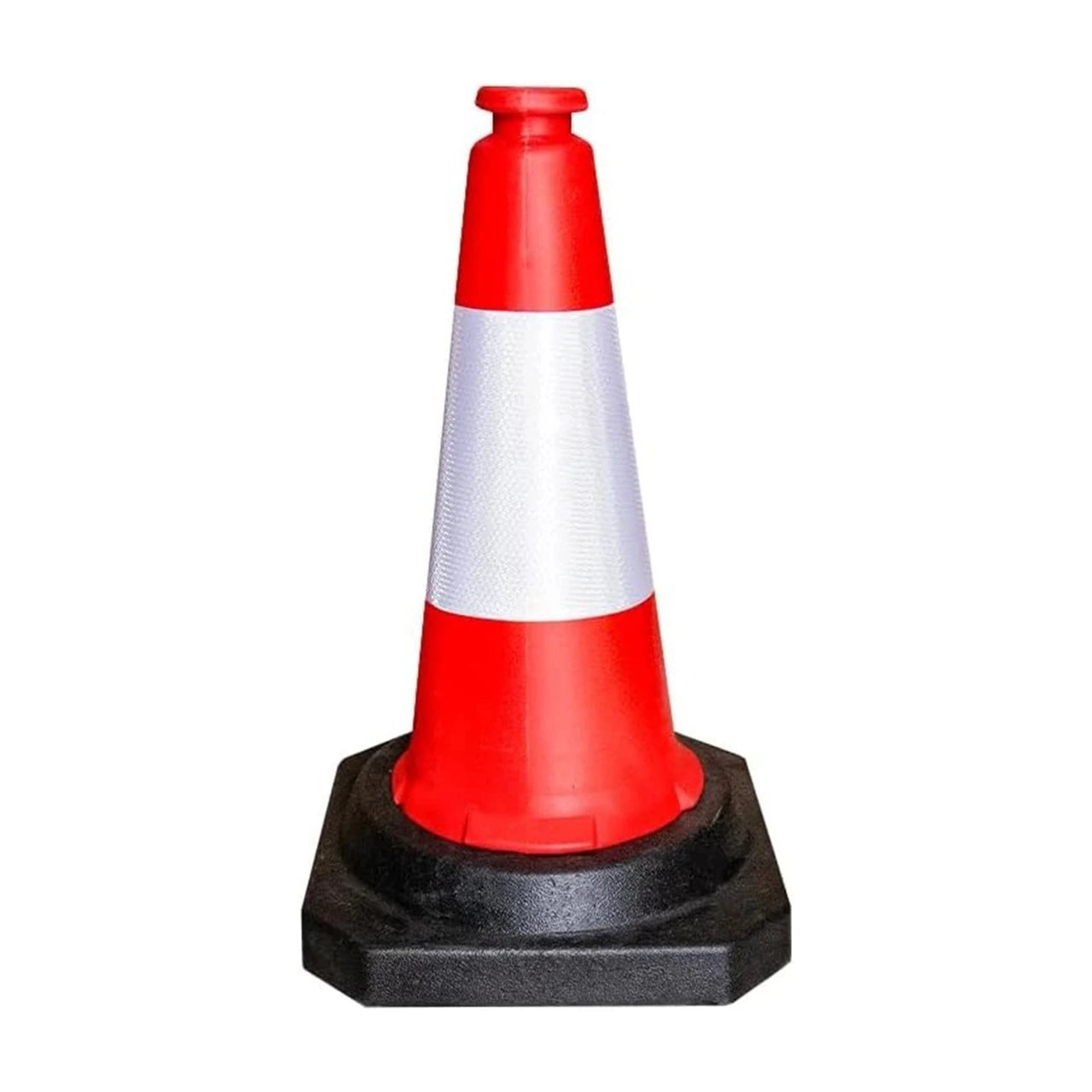
Clear visual warnings are one of the simplest yet most effective ways to prevent accidents. In workplaces, construction sites, warehouses, and public areas, the right warning tape helps people instantly recognize danger zones and restricted areas. Selecting the correct safety warning tape plays a key role in improving awareness, reducing risk, and maintaining organized safety standards.
Why Visual Warnings Are Critical in Hazard Areas
People often move quickly through work environments without noticing subtle hazards. Visual warnings provide immediate cues that something requires attention. Bright, high-contrast warning tapes are designed to stand out from surrounding surfaces, helping individuals slow down, change direction, or avoid dangerous areas altogether.
Understanding Different Types of Warning Tape
Warning tapes vary in color, material, and application. Some are designed for indoor use, while others are built to withstand outdoor conditions such as moisture, dust, and temperature changes. Choosing the right type ensures the tape remains visible and effective throughout its intended lifespan without peeling or fading prematurely.
The Role of Colour Contrast in Safety Communication
Color contrast is essential for quick recognition. Black and yellow warning tape is widely used because it creates an immediate visual alert associated with caution and danger. This strong contrast makes it highly effective for marking edges, obstacles, machinery zones, and restricted access areas where clear communication is critical.
Common Applications for Safety Warning Tape
Warning tape is used across a wide range of environments:
-
Construction Sites: Mark hazards, drop zones, and restricted areas.
-
Warehouses: Highlight walkways, storage limits, and equipment zones.
-
Industrial Facilities: Identify machinery hazards and operational boundaries.
-
Public Areas: Prevent access to unsafe or temporary restricted spaces.
Long-Term Safety and Cost Benefits
Using the right warning tape reduces accidents, minimizes downtime, and supports compliance with safety regulations. Durable tapes require less frequent replacement, lowering maintenance costs while maintaining consistent visibility. Over time, this simple safety measure contributes to a safer and more organized environment.
FAQs
1. How do I choose the right safety warning tape for my site?
Consider the environment, surface type, and level of visibility required to ensure the tape performs effectively.
2. Is black and yellow warning tape suitable for outdoor use?
Yes, when made from weather-resistant materials, it performs well in outdoor conditions.
3. How often should safety warning tape be replaced?
Replacement depends on wear and exposure, but high-quality tape lasts longer and maintains visibility over time.