
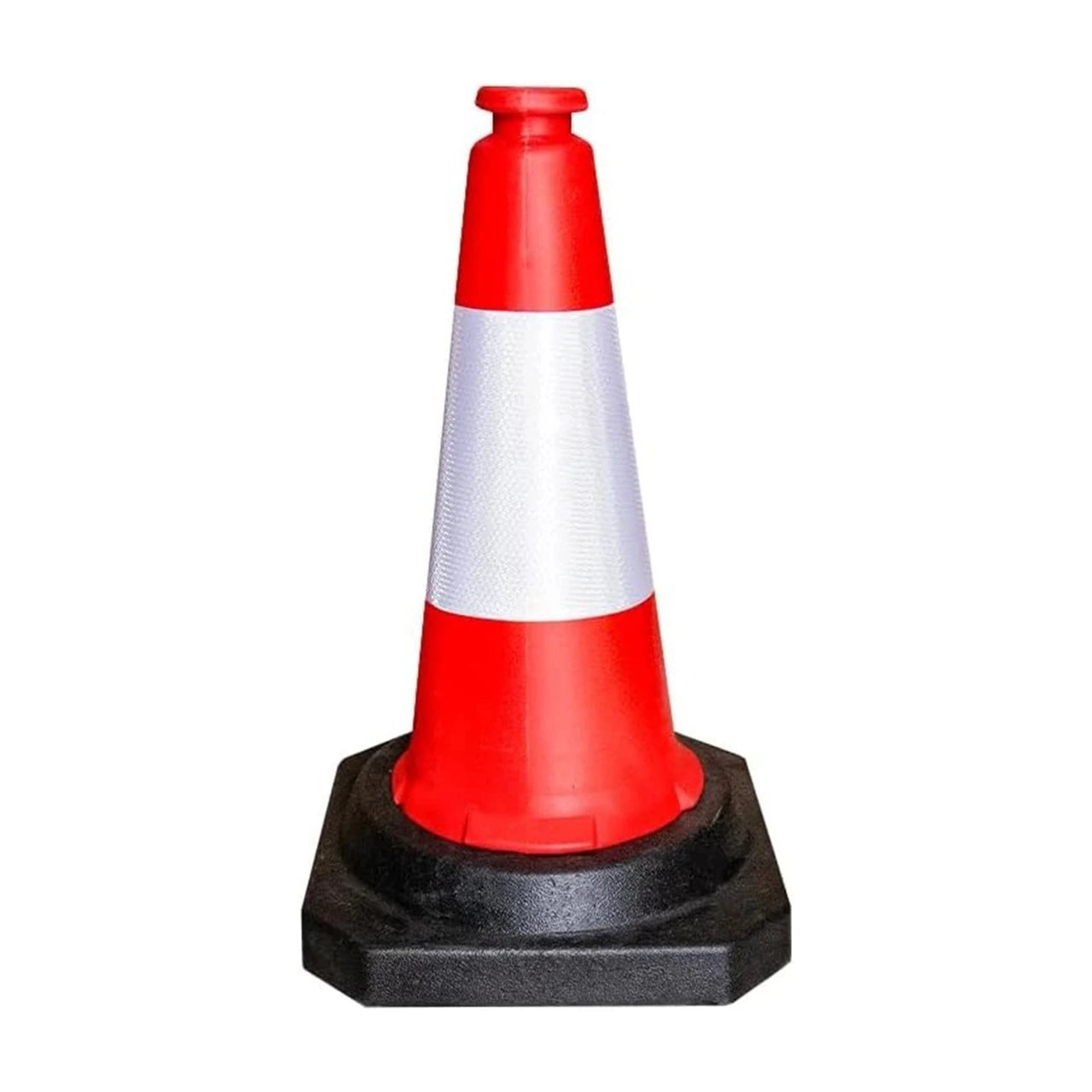
Traffic cones may look simple, but their design, build quality, and performance vary significantly. In real-world conditions, these differences directly affect safety outcomes. Choosing the right Traffic Cones for Road Safety is not just about marking a hazard. It is about ensuring visibility, maintaining stability, and delivering consistent guidance in environments where mistakes can lead to accidents.
Why Safety Standards Matter in Traffic Cone Design
Safety-focused cones are engineered to meet specific performance requirements. They are designed to remain visible in busy traffic, withstand impact, and clearly communicate danger or direction. Low-quality cones may collapse, slide, or fade, reducing their effectiveness and increasing risk. High-standard cones support safer driving decisions by delivering clear, reliable visual cues.
Stability: The Difference Between Effective and Risky Equipment
Stability plays a major role in how cones perform outdoors. Wind, passing vehicles, and uneven surfaces can easily knock over poorly designed cones. Well-built cones feature weighted bases and balanced structures that keep them upright even in challenging conditions. Stable placement ensures traffic layouts remain consistent, reducing confusion and sudden driver reactions.
Visibility in Day, Night, and Adverse Weather
Visibility is not limited to bright colours alone. Reflective elements, cone height, and surface finish all influence how quickly a driver notices a warning. High-visibility cones improve reaction time, especially at night or during rain and fog. Effective reflectivity helps cones stand out against headlights and urban lighting, improving awareness without overwhelming drivers.
Where High-Quality Traffic Cones Make the Most Impact
Well-designed cones are essential across multiple applications:
-
Roadworks: Guide vehicles safely through lane changes and closures.
-
Urban Traffic Control: Support temporary diversions and pedestrian protection.
-
Emergency Response: Create immediate safety zones around incidents.
-
Events and Car Parks: Organise movement and restrict access clearly.
Long-Term Value and Operational Reliability
Investing in better cones reduces replacement frequency and maintenance effort. Durable materials resist cracking, fading, and deformation over time. Reliable cones maintain their performance throughout repeated use, offering better value while supporting safer environments for both drivers and workers.
FAQs
1. Why are Traffic Cones for Road Safety different from standard cones?
They are designed to meet higher safety, visibility, and durability standards, making them more reliable in real traffic conditions.
2. What features improve cone stability?
Weighted bases, balanced designs, and strong materials help cones stay upright in wind, traffic turbulence, and uneven surfaces.
3. How does visibility affect road safety?
Better visibility allows drivers to recognise hazards earlier, improving reaction time and reducing the risk of sudden manoeuvres or collisions.